Showing posts with label Casey Station. Show all posts

6 Jan 2007

Farewell Antarctica

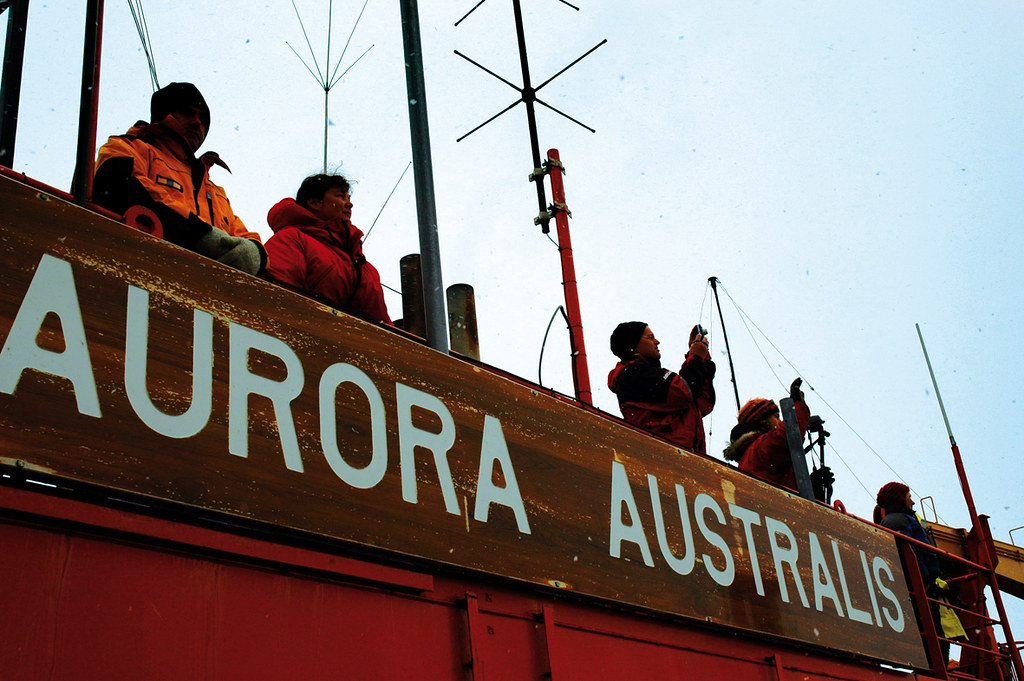
Yesterday, it took all day to load the cargo backon board and get ready for sea. Finally, with a blast on the horn at 8:30 pm we were off. In a sudden snow shower, the remaining Casey expeditioners waved goodbye on a hilltop as a orange flare was let off at the station, signalling our departure.

Now (warm inside my bunk on the Aurora) my face still burns as I think about my time in Antarctica. In the early hours of my last morning on Antarctic soil, I walked outside into the bright light and gazed down at the harbour beyond the sparkling white ground that lay under a technicolour sky of yellow, blue and mauve. I remember thinking what a fantasy land this is. The Aurora, anchored in the harbour and waiting to take me home, was also part of this view. It was a reminder that like most humans, I would not be here for long. This is not a place where you live.

At 5.00 am this morning, I jumped out of my bunk to peer from my cabin window. Some people said that we could be in the ice for the next couple of days. Others were confident that we would hit the open ocean by morning… and we did. Apart from occasional icebergs, there was no ice to be seen. Edward Wilson, one of the explorers on Robert Falcon Scott’s Antarctic expedition in 1911, described the movement of swell in pack ice as constant and gentle — ‘like breathing in sleep’. I could not agree more. I will really miss this.

5 Jan 2007

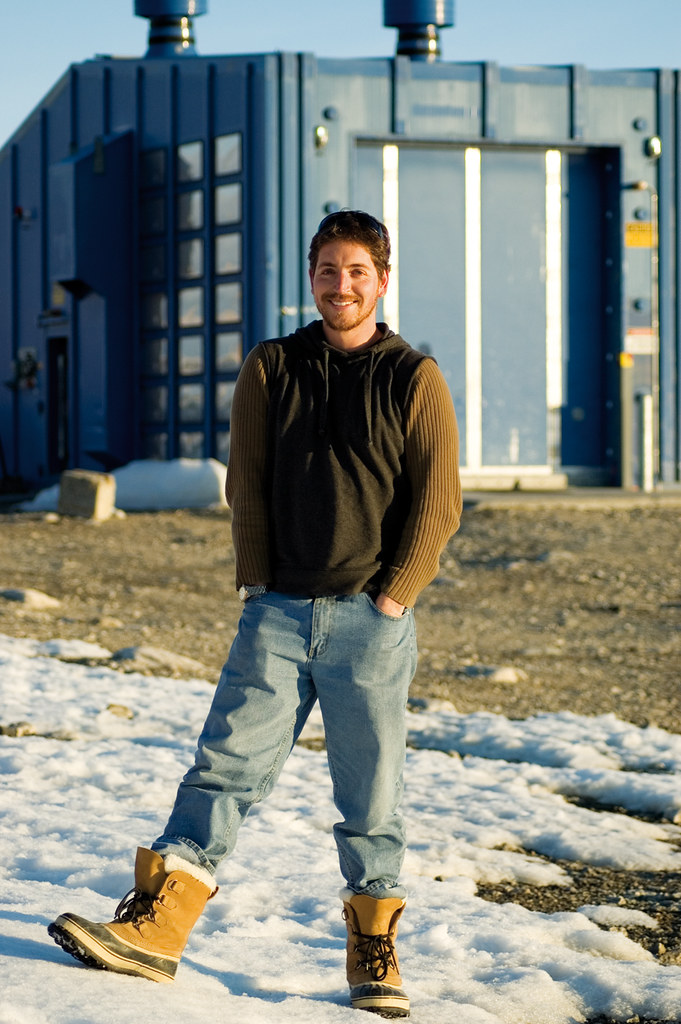
Interview: Justin Wood - Floating forecaster


At Casey, the weather balloons are released at 7:15 am and 7:15 pm, which corresponds with the same time that everyone else in the world releases theirs. The weather balloon contains a GPS unit that tells us where the balloon is, and a radio transmitter that sends the information back to the receiver on the roof of our observations building. As the balloons go up through the atmosphere, they transmit information — including temperature, pressure, wind speed and wind direction — to the ground station every two seconds until they explode! Computer forecast models that rely on weather balloon data are used by forecasters worldwide, from the Bureau of Meteorology to your local TV weather presenter! Without this information, accurate forecasts beyond a few hours would be almost impossible. Since we’ve been at Casey, we’ve had really good weather for releasing balloons — light winds and nothing too serious going on. In winter, blizzard conditions will occur fairly often, which means we’ll be releasing balloons into 120 km/h winds and falling snow!

4 Jan 2007

Antarctic elephants

A juvenile male elephant seal.
Browning Peninsula
Today, we explored the inlets and islands around the Browning Peninsula — about a one-hour trip in a small boat from Casey Station. Our first stop was an island where some juvenile southern elephant seals had been spotted earlier in the week. We nosed the boat into an ice crack next to some rocks, and I had to jump out onto a piece of sea ice that probably won’t be there next week!


Southern elephant seals are the largest seals and one of the largest mammals on Earth — after some whale species and elephants. One adult male can weigh more than four tonnes… that’s about 80 of you! These heavyweights of the seal family can barely move on land, but once they are in the water, they are swift and powerful swimmers. The ones I saw looked pretty big to me, but they were just babies — about a year old. I had heard that elephant seals can scare off rivals by producing a deafening roar from their throat — made louder by their trunk-like nose, which acts like a sound box. But there was none of that today. All we could hear, and smell, was lots of farting and burping!